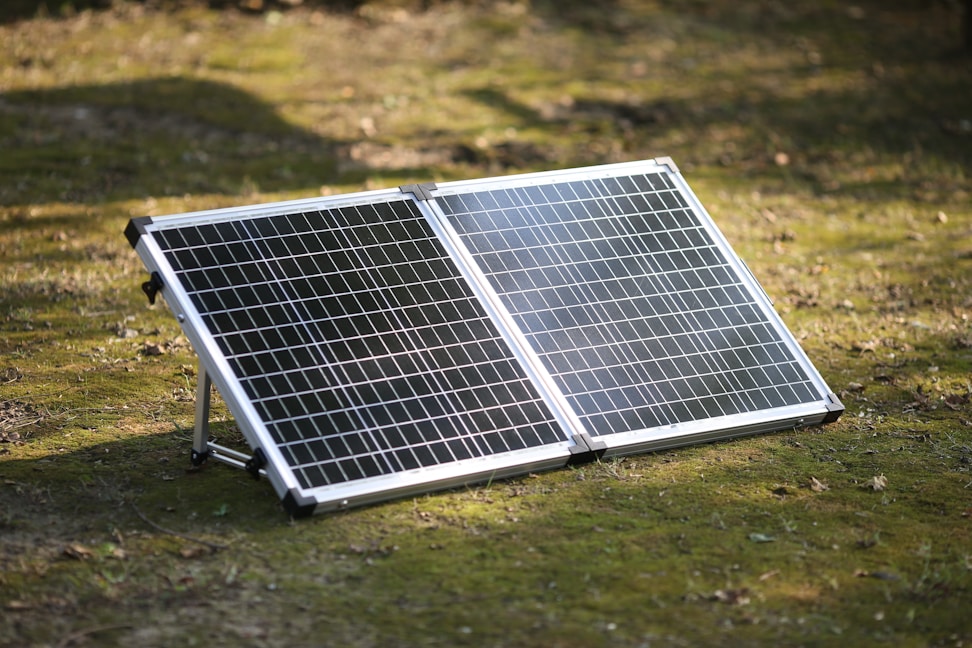
1. The Early Beginnings of Solar Power
Solar technology began in the 19th century with the discovery of the photovoltaic effect by Alexandre Edmond Becquerel in 1839. Early solar cells developed in the 1950s were made from silicon but had very low efficiency, converting just a few percent of sunlight into electricity. These cells were primarily used in space applications due to their high cost and limited efficiency. At that time, solar power was a niche technology, far from practical for widespread energy generation.
2. Limitations of Initial Solar Panels
The first commercial solar panels in the 1960s were bulky, expensive, and inefficient, producing limited power output. Their manufacturing processes were complex and costly, making solar energy inaccessible for everyday use. The materials used were less durable, and panels had short lifespans compared to today’s standards. Additionally, there was little awareness or infrastructure to support solar energy adoption beyond specialized applications.
3. Advances in Material Science and Manufacturing
Over the decades, advancements in material science have revolutionized solar technology. The development of monocrystalline and polycrystalline silicon cells improved efficiency and reduced costs significantly. Innovations in manufacturing techniques, such as wafer slicing, doping, and thin-film technologies, have further increased output while lowering the price per watt. This evolution has made solar panels more durable, reliable, and affordable for commercial and residential use.
4. From Space to Rooftops: Expansion of Applications
Originally limited to powering satellites, solar technology expanded in the 1980s and 1990s into terrestrial applications. Rooftop installations for homes and businesses began gaining traction as governments introduced incentives and subsidies. Ground-mounted solar farms emerged as a viable source of large-scale clean energy. This shift marked the transition from solar as a scientific curiosity to a mainstream energy solution with environmental and economic benefits.
5. Dramatic Cost Reductions in Recent Years
One of the most notable changes in solar technology is the drastic decline in costs. Between 2010 and 2025, the cost of solar panels dropped by over 80%, driven by economies of scale, technological improvements, and global manufacturing expansion. This reduction made solar competitive with traditional energy sources like coal and natural gas, spurring rapid adoption worldwide. Consumers now enjoy lower installation prices and quicker payback periods.
6. Efficiency Improvements and Innovative Designs
Modern solar panels now routinely achieve efficiencies exceeding 20%, with some advanced models reaching above 25%. New designs such as bifacial panels capture sunlight from both sides, increasing total energy yield. Perovskite solar cells, a cutting-edge development, promise even higher efficiency and flexible applications. Solar technology today integrates microinverters, optimizers, and smart monitoring systems to maximize output and system health.
7. Enhanced Durability and Longevity
Today’s solar panels are engineered to withstand harsh weather conditions, including heavy rain, snow, hail, and high winds. Improvements in encapsulation materials, tempered glass, and corrosion-resistant frames extend panel lifespans to 25 years or more. Advanced testing protocols ensure reliability, and manufacturers offer longer warranties. This durability boosts investor confidence and reduces maintenance costs, contributing to solar’s appeal.
8. Integration with Smart Grids and Energy Storage
Modern solar systems are increasingly integrated with smart grid technologies and battery storage solutions. This allows users to store excess energy during sunny periods and use it during nighttime or cloudy days, enhancing self-sufficiency. Smart inverters and energy management systems optimize power flow, improve grid stability, and enable features like demand response and peer-to-peer energy trading. This integration represents a major leap from the early isolated solar setups.
9. Policy and Market Drivers Fueling Growth
Government policies, international climate commitments, and growing consumer demand have accelerated solar adoption. Subsidies, net metering, and tax incentives reduce upfront costs, while renewable portfolio standards encourage utilities to source clean energy. Markets have become more competitive and innovative, driving continual improvements in solar technology and deployment models. This favorable environment contrasts sharply with the limited support solar had in its infancy.
10. The Future of Solar Technology: Beyond Traditional Panels
Looking ahead, solar technology continues to evolve with innovations like transparent solar windows, building-integrated photovoltaics (BIPV), and solar-powered electric vehicles. Research into new materials and manufacturing techniques promises higher efficiency, lower costs, and wider application. As solar becomes embedded into everyday infrastructure, it is poised to play a central role in global decarbonization efforts and energy democratization, far surpassing the modest beginnings of the past.