1. The Growing Burden of Electricity Bills
Over the past decade, electricity prices have steadily increased due to rising fuel costs, infrastructure maintenance, regulatory changes, and supply-demand imbalances. Households and businesses alike are feeling the pressure, especially during peak seasons when energy consumption spikes. Traditional energy sources, which rely heavily on fossil fuels, are becoming more expensive and less reliable. This makes the need for alternative energy solutions more urgent than ever.
2. Solar Power: A Long-Term Cost Solution
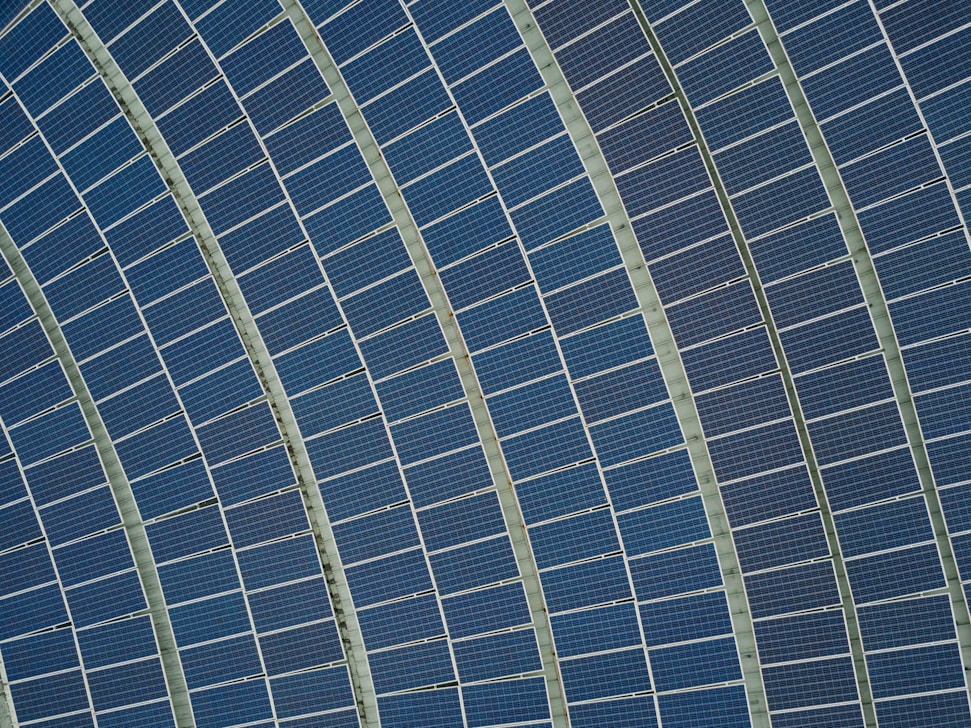
Solar energy offers a sustainable and financially viable alternative. By harnessing the sun’s power, homeowners can generate their own electricity and reduce dependency on utility companies. Once a solar system is installed, the sun’s energy becomes a free resource. While there is an initial investment, the long-term savings often outweigh the upfront cost, especially with rising grid prices.
3. Understanding How Solar Reduces Bills
When solar panels generate electricity, that energy is used to power your home or business. Any excess energy can often be fed back into the grid through net metering programs, earning you credits. This means your energy meter can literally run backward, further lowering or even eliminating your electricity bill. Over time, this significantly reduces your reliance on utility-generated power, which continues to increase in cost.
4. Shielding Against Future Price Hikes
One of the biggest financial advantages of solar is price predictability. With a solar system in place, you can lock in your energy production costs. While electricity rates fluctuate, your solar panels continue to produce power at no additional cost. This acts as a hedge against inflation and future rate hikes, giving you more control over your financial planning.
5. Return on Investment and Payback Period
Solar panels are an investment, not just an expense. Depending on your location, energy consumption, and the size of your system, the payback period can range from 5 to 10 years. After that, the electricity generated is essentially free for the remainder of the system’s lifespan—typically 25 years or more. This results in significant long-term savings, often amounting to tens of thousands of dollars over time.
6. Government Incentives and Tax Benefits
Many governments offer generous incentives to encourage solar adoption. These can include tax credits, rebates, grants, and low-interest financing options. In the United States, for example, the federal solar tax credit allows homeowners to deduct a significant percentage of the installation cost from their taxes. These incentives greatly reduce the net cost of going solar and improve the return on investment, making solar more accessible to a wider range of people.
7. Increasing Home Value
Homes equipped with solar systems are increasingly attractive to buyers. Numerous studies have shown that solar panels can increase property values, as buyers are willing to pay more for a home with lower energy costs. This added value not only helps offset the initial investment but also positions the home as a smart, future-ready purchase in a competitive real estate market.
8. Low Maintenance, High Reliability
Modern solar systems require minimal maintenance. With no moving parts and robust warranties, solar panels are built to withstand extreme weather conditions and continue performing efficiently for decades. The cost of maintaining a solar system is negligible compared to the ever-increasing cost of traditional energy, making it a low-risk investment for long-term savings.
9. Battery Storage Maximizes Savings
Pairing solar panels with battery storage systems like the Tesla Powerwall allows homeowners to store excess energy for use during peak hours or outages. This reduces reliance on the grid even further and protects against time-of-use charges. As battery technology continues to improve and costs decrease, storage solutions are becoming a practical addition for maximizing energy independence and savings.
10. Making the Switch Today Pays Off Tomorrow
The sooner you invest in solar, the sooner you start saving. With rising electricity rates, every month of delay is another month of higher bills. As installation costs continue to fall and incentives remain available, there’s never been a better time to go solar. Transitioning to solar energy not only combats the burden of escalating electricity prices but also contributes to a cleaner, more sustainable future.