1. Understanding the Basics of Solar Installations
Solar energy systems are primarily categorized into rooftop and ground-mounted installations. Both use photovoltaic (PV) panels to convert sunlight into electricity, but the way they are installed and utilized varies significantly. Choosing between them depends on factors like available space, budget, usage needs, and long-term goals. Understanding the core differences can help homeowners, businesses, and institutions make an informed decision tailored to their site conditions and energy objectives.
2. Space Availability and Land Utilization
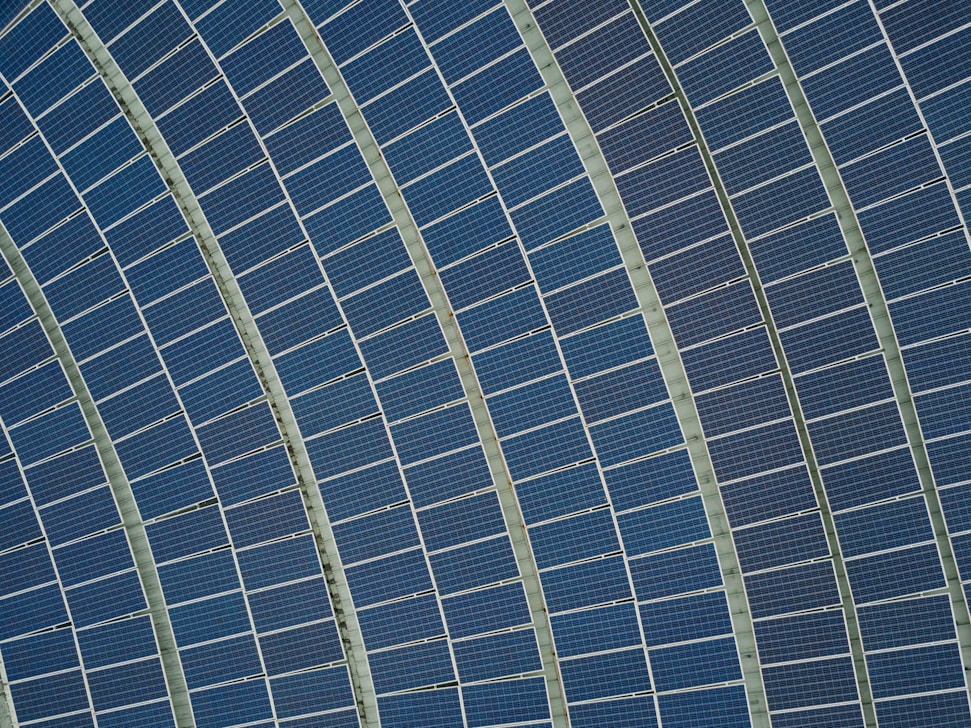
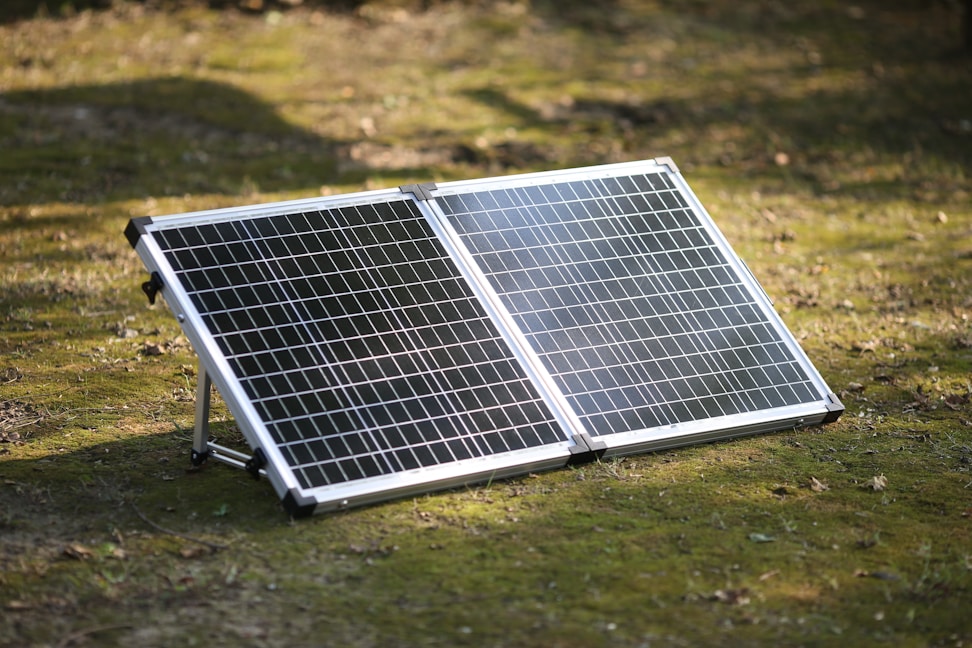
Rooftop solar is ideal for buildings with sufficient unused roof space and minimal shade, making it a natural choice for urban homes and commercial buildings. It utilizes an existing structure, meaning no additional land is required. On the other hand, ground-mounted systems are better suited for properties with large open land, such as factories, farms, or institutions. These systems require dedicated land but offer flexibility in system size and placement to maximize sunlight exposure.
3. Installation and Structural Considerations
Rooftop systems are relatively quick to install, provided the roof is structurally sound and oriented well toward the sun. They can be more complex if roofs are shaded, angled steeply, or made of fragile materials like asbestos. Ground-mounted systems involve more groundwork, including excavation, support structures, and sometimes fencing, but they eliminate the structural limitations of a rooftop. This makes them suitable for larger-scale installations where precise panel alignment is crucial for peak efficiency.
4. System Size and Scalability
The size of a rooftop solar system is limited by the area and shape of the roof. While this may suffice for average residential use, it can be restrictive for larger commercial or industrial users. Ground-mounted systems allow for much more flexibility in terms of expansion. As electricity demand grows over time, ground-based setups can be scaled up easily without needing structural modifications or dealing with space constraints.
5. Maintenance and Accessibility
Maintenance is a critical factor for long-term performance. Rooftop systems can be harder to access, especially on high-rise buildings or complex roof structures, which may make cleaning or repairs more challenging. Ground-mounted systems, in contrast, are easier to clean, monitor, and service, since all components are within reach. This ease of maintenance can lead to better long-term efficiency, especially in dusty or high-debris environments where regular panel cleaning is essential.
6. Cost and Investment Analysis
Rooftop systems typically have lower upfront costs since they do not require land or extensive structural support. They are often more cost-effective for residential and small business users. Ground-mounted systems have higher initial costs due to land preparation and mounting structures, but they often provide a better return on investment for large-scale users. This is because they can be designed with optimal tilt and orientation, leading to higher generation efficiency and better overall output.
7. Efficiency and Energy Output
Ground-mounted systems generally offer higher energy output because they can be installed at the perfect angle and direction to capture maximum sunlight throughout the day. Rooftop systems are limited by the orientation and tilt of the roof, which may not always be ideal. Additionally, ground systems can incorporate tracking mechanisms to follow the sun’s path, increasing efficiency by 15–25%, whereas this feature is rarely feasible on rooftops due to weight and structural limitations.
8. Aesthetic and Architectural Impact
Rooftop solar is often more discreet and integrated into the building’s design, which is an advantage for homeowners concerned about aesthetics. Modern panels can be sleek and low-profile, making them blend seamlessly with the roof. Ground-mounted systems, however, are more visible and may not suit urban residential settings due to space and appearance concerns. They are more appropriate for rural or industrial areas where aesthetics are less of a priority compared to performance and scalability.
9. Regulatory and Approval Requirements
Rooftop systems usually have simpler approval processes, particularly for residential use, and are supported by national and state-level subsidies and net-metering schemes. Ground-mounted projects often require more detailed permits, especially if agricultural or commercial land is involved. Additionally, large-scale ground systems may require environmental clearance, utility coordination, and grid infrastructure assessments, making the process longer and more bureaucratically intensive.
10. Choosing the Right System for Your Needs
The decision between rooftop and ground-mounted solar ultimately depends on your specific site, energy consumption, long-term goals, and financial capacity. Rooftop solar is best suited for individual homeowners and businesses with limited space, looking for a cost-effective and quick-to-deploy solution. Ground-mounted systems are ideal for those with access to land and higher energy demands, such as industrial units, institutions, and solar farms. Both systems are effective in reducing electricity costs and environmental impact, but selecting the right one ensures maximum return on investment and performance longevity