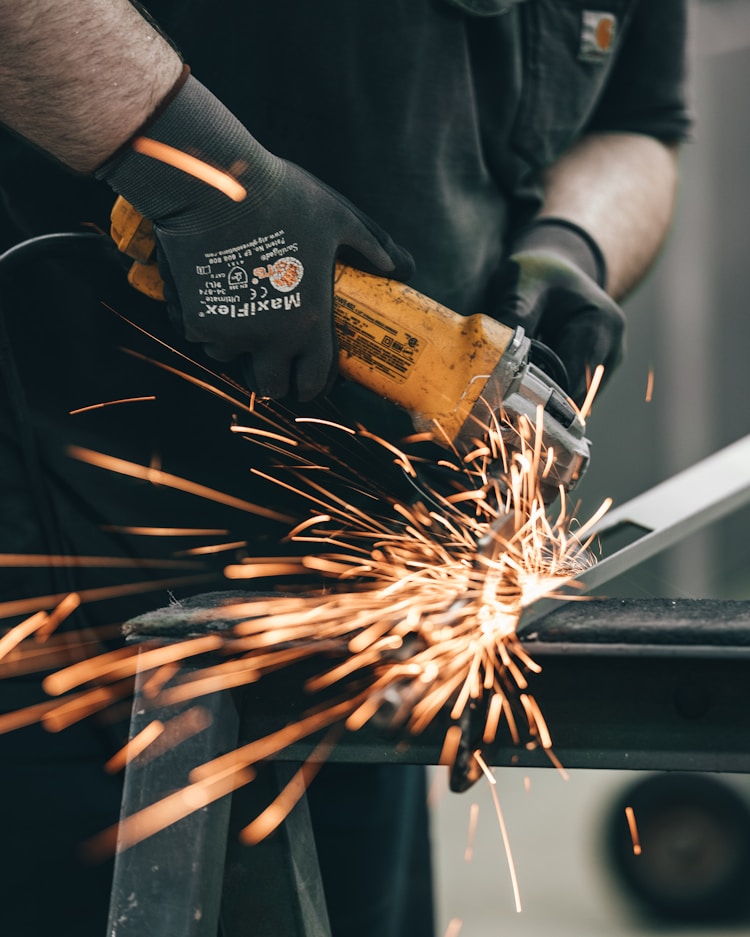
Plan Your Budget and Vision
Every successful home-building project starts with a realistic budget and a clear vision. Decide how much you can afford, what type of home you want, and which features are essential. This early planning helps you avoid overspending and ensures the entire process stays aligned with your goals.
Choose and Purchase Your Land
Finding the right plot of land is one of the most important steps. Consider location, neighborhood, schools, commute time, and access to utilities. Check zoning laws and make sure the land is suitable for construction. Once you’re confident, purchase the property and prepare for the design stage.
Design Your Home
Work with an architect or use home-design software to create a layout that matches your lifestyle. Think about room sizes, flow, natural lighting, storage, and future needs. At the same time, make sure the design follows local building codes and regulations to avoid complications later.
Secure Permits and Approvals
Before any construction begins, you’ll need the appropriate permits. These ensure your home meets safety and zoning requirements. Submitting plans and waiting for approval may take time, but it’s an essential step that protects you from legal or structural problems.
Hire Your Construction Team
Choose reliable contractors, builders, electricians, plumbers, and other professionals. Look for experience, references, and transparency in pricing. A strong team ensures your home is built safely, accurately, and efficiently.
Begin Site Preparation and Foundation Work
Construction starts with clearing and leveling the land. After the site is prepared, the foundation is poured—whether it’s a slab, crawl space, or basement. This is the base of your entire home, so proper work here is crucial for long-term stability.
Build the Structure and Enclose the Home
Once the foundation cures, framing begins, giving shape to your walls, floors, and roof. After framing, roofing, windows, and doors are installed. This “drying in” stage protects the interior from weather and allows work to continue inside.
Install Plumbing, Electrical, and HVAC Systems
Inside the enclosed structure, licensed professionals run plumbing lines, electrical wiring, and heating/cooling systems. These essential installations must be done correctly and inspected for safety before moving forward.
Add Insulation, Drywall, and Interior Finishes
After the mechanical systems pass inspection, insulation is installed to improve energy efficiency. Next comes drywall, followed by painting, flooring, cabinetry, countertops, and other design elements that begin to make the space feel like home.
Complete Final Inspections and Move In
Before you officially move in, your home must pass final inspections to ensure everything is safe and up to code. Once approved, you can add furnishings, complete landscaping, and finally enjoy the rewarding experience of living in a home you built from the ground up.