Understand Why Choosing the Right Builder Matters
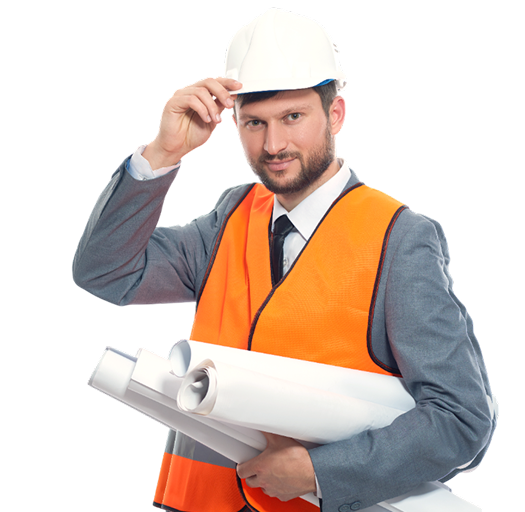
Selecting the right builder is one of the most important decisions when building a home. A skilled builder ensures your project is completed on time, within budget, and meets high-quality standards. Asking the right questions helps you evaluate experience, reliability, and professionalism before making a commitment.
Ask About Their Experience and Past Projects
Start by learning how long the builder has been in business and what types of homes they specialize in. Request examples of past projects or a portfolio to see their workmanship. Ask if they have experience with homes similar to yours, as this ensures they understand the challenges and requirements specific to your design.
Verify Licensing, Insurance, and Certifications
A reputable builder should have proper licensing, insurance, and industry certifications. Ask for proof of liability coverage, workers’ compensation, and any relevant professional certifications. These protections safeguard you in case of accidents or construction issues and indicate that the builder follows legal and safety standards.
Discuss Communication and Project Management
Clear communication is essential for a smooth building process. Ask how often you will receive updates, who your main point of contact will be, and how they handle changes or unexpected issues. A builder who is responsive, transparent, and organized reduces stress and prevents misunderstandings during construction.
Clarify Pricing, Contracts, and Payment Terms
Request a detailed estimate that breaks down costs for materials, labor, permits, and potential extras. Ask for a sample contract that clearly outlines responsibilities, timelines, and payment schedules. A trustworthy builder will be transparent about costs and never pressure you into rushed decisions.
Understand Their Team and Subcontractors
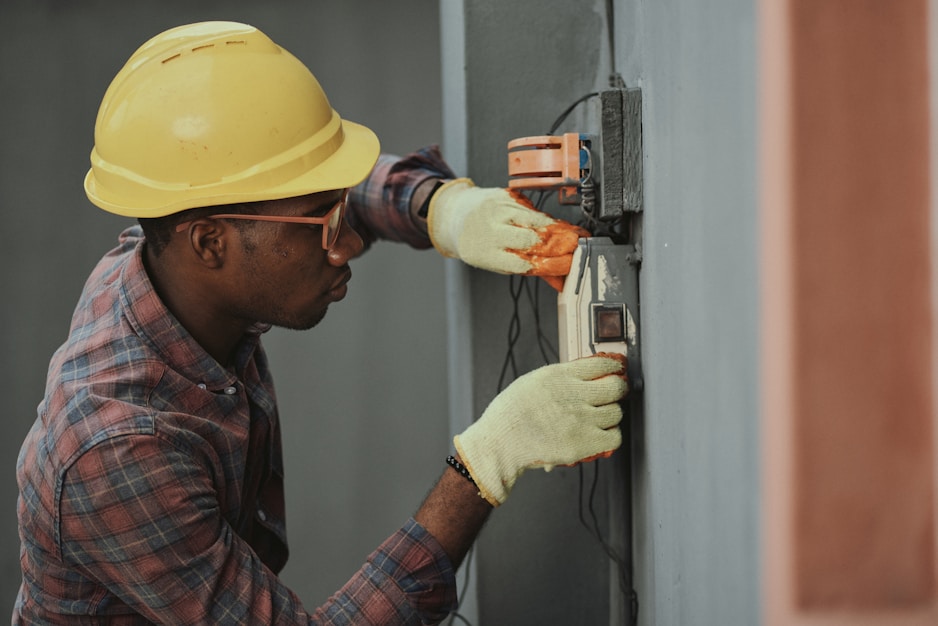
Builders often work with subcontractors for specialized work like plumbing, electrical, or HVAC. Ask who they use, their qualifications, and how the builder ensures quality. Understanding their approach to managing subcontractors gives you confidence in the consistency and safety of the construction.
Inquire About Warranties and After-Build Support
Ask about warranties on materials, structure, and workmanship. Also, find out how the builder handles post-construction issues or repairs. A builder who offers reliable after-build support demonstrates long-term commitment and confidence in their work.
Check References and Client Feedback
Request contact information for past clients and ask about their experiences. Inquire about the quality of work, professionalism, adherence to timelines, and how issues were resolved. Positive references and repeat clients are strong indicators of a builder’s reliability.
Assess Their Current Workload
Finally, ask about their current projects and availability. A builder juggling too many projects may not dedicate sufficient time to yours, which can cause delays or reduce quality. Ensuring they have the capacity to focus on your project is essential for smooth progress.
Create a Detailed Home Design
Work with an architect, use home design software, or a combination of both to create your home’s blueprint. Think about room layout, natural light, storage, flow, and future expansion possibilities. Make sure your design complies with local building codes, structural requirements, and energy standards to avoid costly revisions later.
Obtain Necessary Permits and Approvals
Before any construction starts, you must secure permits from local authorities. Permits cover building regulations, electrical and plumbing codes, and environmental safety standards. This step is critical to avoid legal problems and ensures your home meets all safety requirements.
Plan Your Construction Team
Even if you are hands-on in the build, you will need skilled professionals for specialized tasks like electrical work, plumbing, roofing, and HVAC installation. Research contractors carefully, check references, and ensure everyone is licensed and insured. A reliable team makes your project safer and more efficient.