In today’s increasingly remote work environment, fostering accountability is both more challenging and more essential than ever. Without the daily in-person interactions of a traditional office, employees may feel disconnected from organizational goals, and managers may struggle to maintain oversight.
Creating a culture of accountability remotely requires intentional practices, transparent communication, and trust. When done effectively, it empowers employees, strengthens collaboration, and drives consistent results.
Accountability begins with clarity. Every team member should know exactly what is expected of them—their responsibilities, deadlines, and quality standards.
Clear expectations include:
When expectations are clear, employees understand what success looks like and can manage their own work proactively.
Remote teams rely heavily on digital communication. Transparency in updates, progress reports, and feedback is essential to building accountability.
Regular check-ins, team meetings, and status updates help ensure everyone is aligned. Tools like Slack, Microsoft Teams, or project management software provide visibility into tasks, progress, and deadlines.
The key is to communicate progress, challenges, and dependencies openly—not to micromanage.
In remote work, accountability is best measured by results, not by constant activity monitoring. Tracking outputs rather than hours spent encourages autonomy and responsibility.
Managers should ask:
By emphasizing outcomes, employees feel trusted while staying motivated to deliver results.
Feedback is a cornerstone of accountability. Remote teams benefit from both structured and informal feedback mechanisms.
Feedback ensures that employees know how they are performing and what adjustments may be needed to stay accountable.
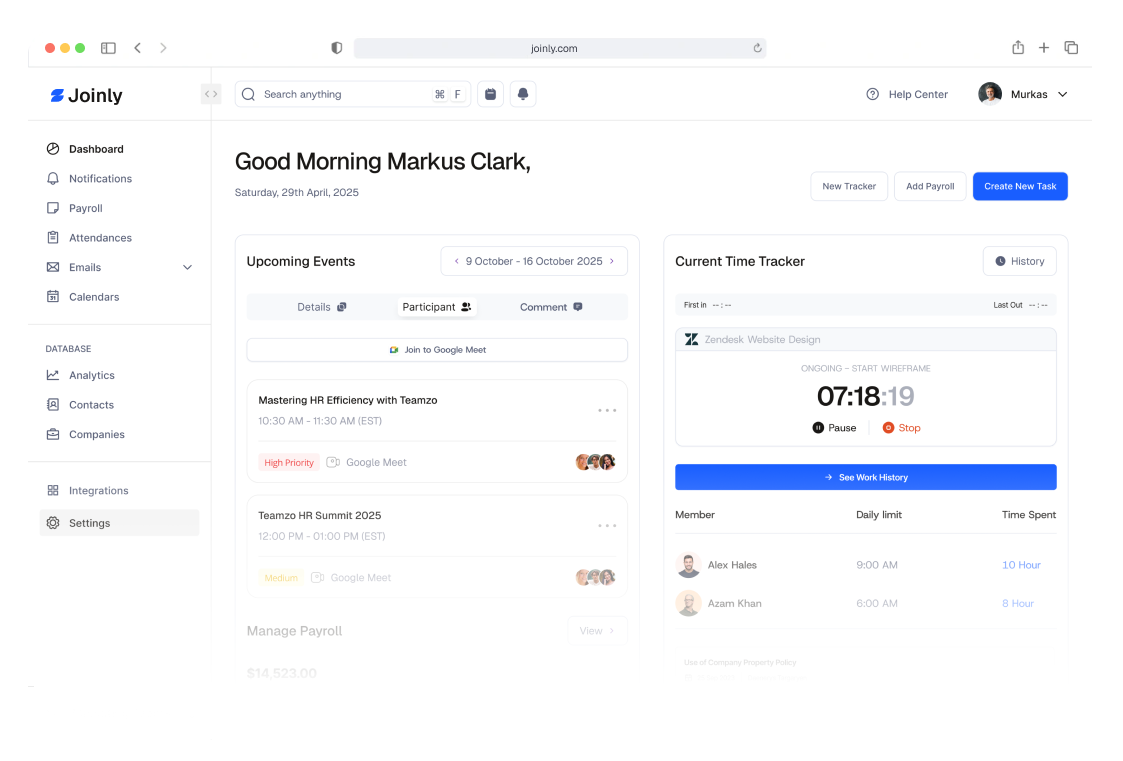
Shared digital tools create visibility and structure for remote accountability. Project management software, shared calendars, and task trackers allow teams to see responsibilities, progress, and deadlines at a glance.
Tools like Asana, Trello, ClickUp, or Jira help establish accountability without constant supervision, enabling everyone to stay aligned and organized.
Leaders set the tone for accountability. Managers who demonstrate responsibility, meet commitments, and communicate openly inspire their teams to do the same.
Transparent leadership creates trust, showing employees that accountability is a shared value, not just a management directive.
Remote accountability thrives when employees feel a sense of ownership over their work. Encourage team