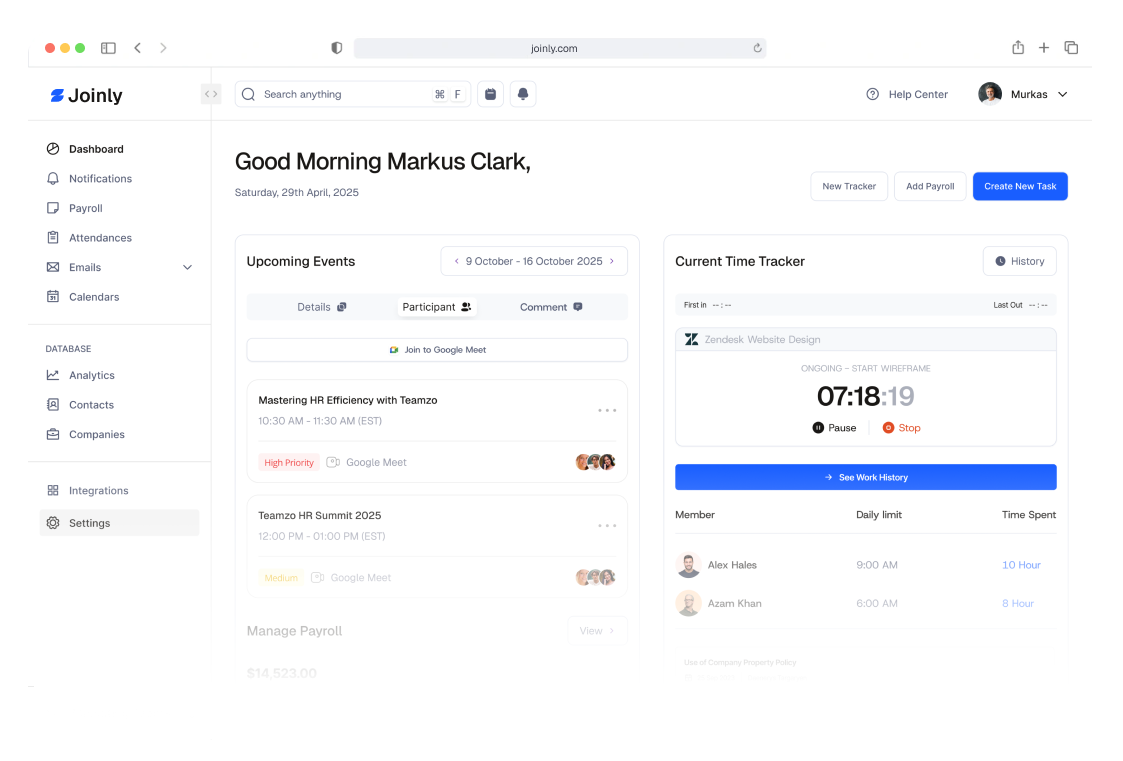
In any organization, time is one of the most critical assets. How effectively it’s used often determines productivity, profitability, and long-term success. Recording time output—tracking how much time is spent on specific tasks or projects—is not just an administrative process; it’s a strategic tool for improving performance, accountability, and decision-making.
When done thoughtfully, recording time output helps both employees and managers gain deeper insights into efficiency, workload, and progress. It promotes transparency and ensures that effort aligns with goals.
Recording time output provides clarity on where time is going each day. Without tracking, it’s easy to underestimate how long certain tasks take or to overlook inefficiencies in workflow.
When individuals record their time, they gain a clearer picture of their daily routines—helping them identify high-priority tasks and eliminate distractions. For teams, it allows managers to see how collective efforts align with organizational objectives and project timelines.
Clarity leads to focus, and focus leads to higher-quality outcomes.
Tracking time output encourages self-awareness about how work is performed. By analyzing time records, teams can pinpoint patterns—such as frequent interruptions, redundant processes, or underutilized hours—that affect productivity.
Once these patterns are identified, it becomes easier to make data-driven improvements. For example, redistributing workload, automating repetitive tasks, or refining processes can lead to measurable gains in efficiency.
Over time, even small adjustments in time management can yield significant productivity improvements.
Recording time output fosters a culture of accountability. When everyone tracks their work transparently, there’s a shared understanding of responsibilities and progress.
For employees, this practice promotes ownership—people become more intentional with their time and more aware of how their efforts contribute to team success.
For leaders, it provides visibility into project performance without the need for micromanagement. Instead of monitoring behavior, they can focus on supporting outcomes.
Accurate time records are invaluable for project management. They help teams understand how long specific tasks actually take, enabling better scheduling and more realistic deadline setting.
With consistent time output data, organizations can:
This leads to smoother project execution, improved forecasting, and greater client satisfaction.
Time output data also provides a fair and objective basis for evaluating performance. Rather than relying on assumptions, managers can assess contributions based on measurable results.
It also makes it easier to recognize high-performing employees and reward them accordingly. When achievements are backed by clear data, recognition feels more meaningful and transparent.
Recording time output creates a foundation for continuous improvement. When time data is reviewed regularly, it reveals opportunities to optimize workflows and strengthen performance.
Organizations can use these insights to refine training programs, improve team structures, and develop better time management habits. Over time, this leads to a more efficient, proactive, and adaptable workforce.
When implemented respectfully, recording time output builds mutual trust between management and staff. It shows that the goal is not surveillance, but understanding and collaboration.
Transparent time recording practices help open up conversations about workload, capacity, and expectations—allowing teams to solve problems together before they grow into major challenges.