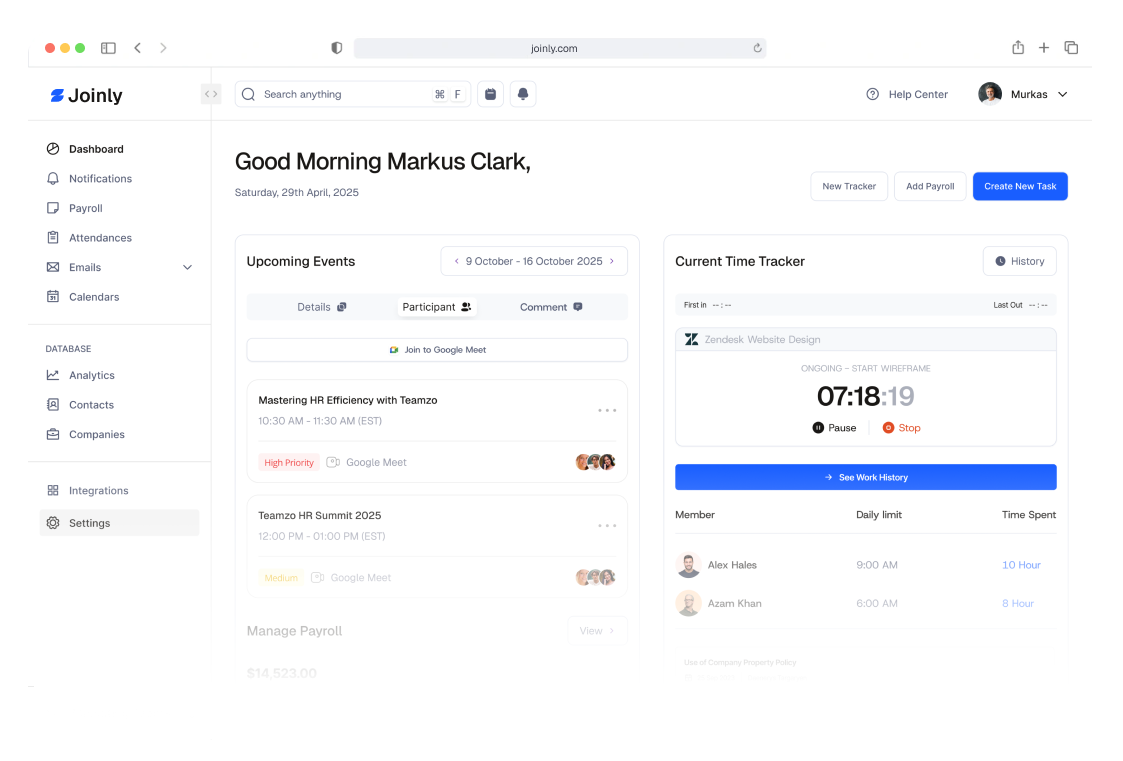
In today’s fast-paced, results-driven work environment, time is one of the most valuable resources an organization possesses. How teams spend their time often determines the difference between meeting goals and missing them. Monitoring time efficiency isn’t about strict oversight or micromanagement—it’s about understanding how time is used, improving processes, and helping teams perform at their best.
When done thoughtfully, monitoring time efficiency can transform productivity, boost morale, and enhance overall business performance.
Time efficiency is more than just working faster. It’s about achieving maximum results with optimal effort. When individuals and teams manage their time efficiently, they prioritize high-impact tasks, minimize distractions, and make the most of their available hours.
Monitoring time efficiency provides visibility into how work actually gets done. It highlights where time is well spent and where it’s being wasted—insights that are essential for continuous improvement.
One of the greatest benefits of monitoring time efficiency is uncovering bottlenecks. Many teams face delays not because of lack of skill or motivation, but due to inefficient systems, unclear communication, or overlapping responsibilities.
By analyzing how time is allocated across projects and tasks, leaders can identify:
With these insights, organizations can make targeted improvements that enhance workflow and productivity.
Monitoring time efficiency helps leaders make informed decisions about resource distribution. When you understand how long tasks actually take, it becomes easier to plan projects, set realistic deadlines, and balance workloads across the team.
It also helps managers recognize when employees are overloaded or underutilized—allowing them to redistribute tasks fairly and prevent burnout.
When time tracking is approached as a tool for transparency, not control, it strengthens accountability and trust within the team. Everyone gains a clearer picture of what’s being worked on and how progress aligns with company goals.
For employees, it provides a sense of ownership—they can reflect on their own time usage, identify personal productivity patterns, and make adjustments to improve performance.
For managers, it offers an objective way to assess efficiency without resorting to micromanagement.
Time efficiency data provides a valuable foundation for data-driven business decisions. Whether it’s project planning, budgeting, or setting key performance indicators (KPIs), knowing how time is used allows organizations to operate with precision.
For example:
Over time, this data helps create a more agile, efficient, and informed organization.
Time efficiency monitoring isn’t just a management tool—it’s also a learning tool for employees. It helps individuals identify their strengths, track progress, and pinpoint areas where they can grow.
By reviewing how they spend their time, team members can: