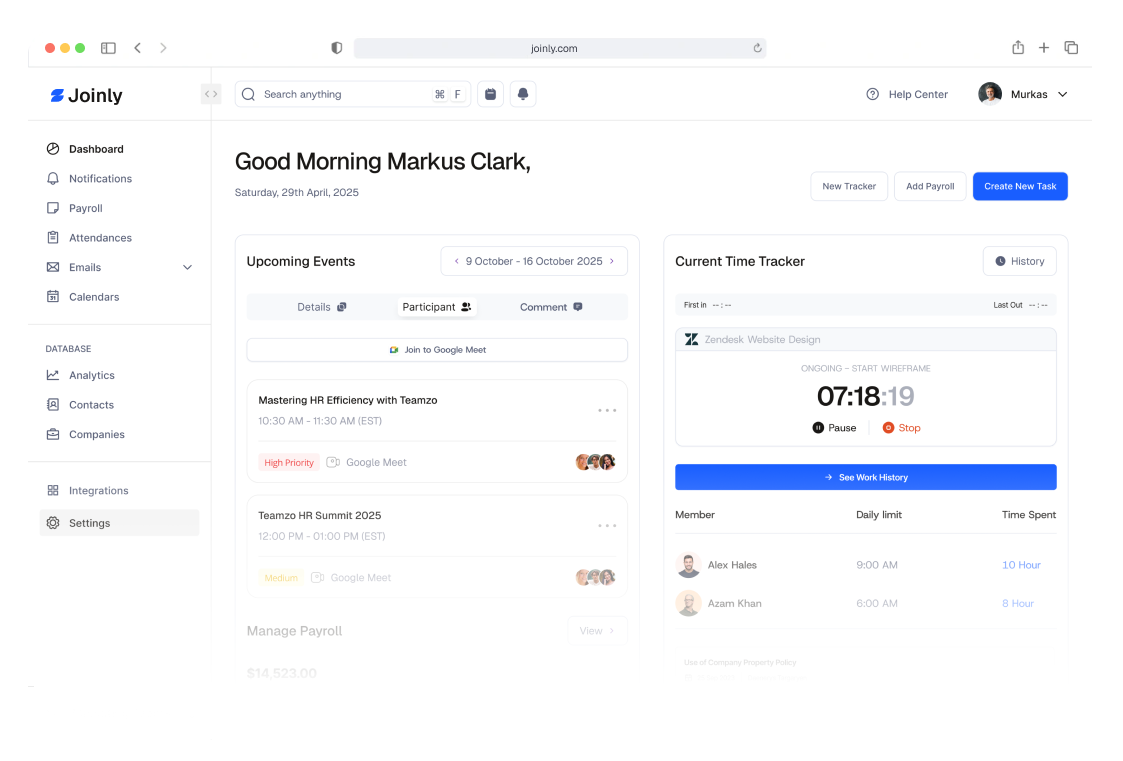
In today’s fast-evolving business landscape, organizations are realizing that their most valuable asset isn’t technology, infrastructure, or even products—it’s people. Managing and nurturing that talent effectively requires more than traditional HR practices. This is where Smart HR comes in—a modern, data-driven, and technology-enabled approach to human resource management that aligns people strategy with business goals.
Smart HR combines digital tools, automation, analytics, and artificial intelligence to streamline processes, enhance employee experiences, and drive strategic decisions. It’s not just about automating administrative tasks but transforming how HR functions across the employee lifecycle—from recruitment and onboarding to development, engagement, and retention.
At its core, Smart HR is about efficiency and empowerment. Automation reduces repetitive tasks like payroll processing, attendance tracking, and benefits administration, allowing HR professionals to focus on more impactful work such as culture building and workforce planning. Real-time data and predictive analytics enable HR leaders to anticipate trends—such as employee turnover risks or skill gaps—before they become critical issues.
Moreover, Smart HR leverages AI-powered insights to personalize employee experiences. For instance, intelligent learning platforms can recommend upskilling opportunities tailored to each individual’s career goals. Digital onboarding solutions make joining a company seamless, while performance management systems use continuous feedback loops to promote growth and transparency.
One of the defining aspects of Smart HR is strategic agility. By integrating HR systems with other business functions, leaders gain a holistic view of how talent impacts productivity, innovation, and profitability. This allows for more informed decision-making and ensures that HR is not just a support department but a key driver of organizational success.
However, technology alone does not define Smart HR. The human element remains at its heart. The smartest HR systems are those that use data responsibly, respect privacy, and foster trust. Emotional intelligence, empathy, and inclusive leadership are still irreplaceable qualities that ensure technology serves people—not the other way around.