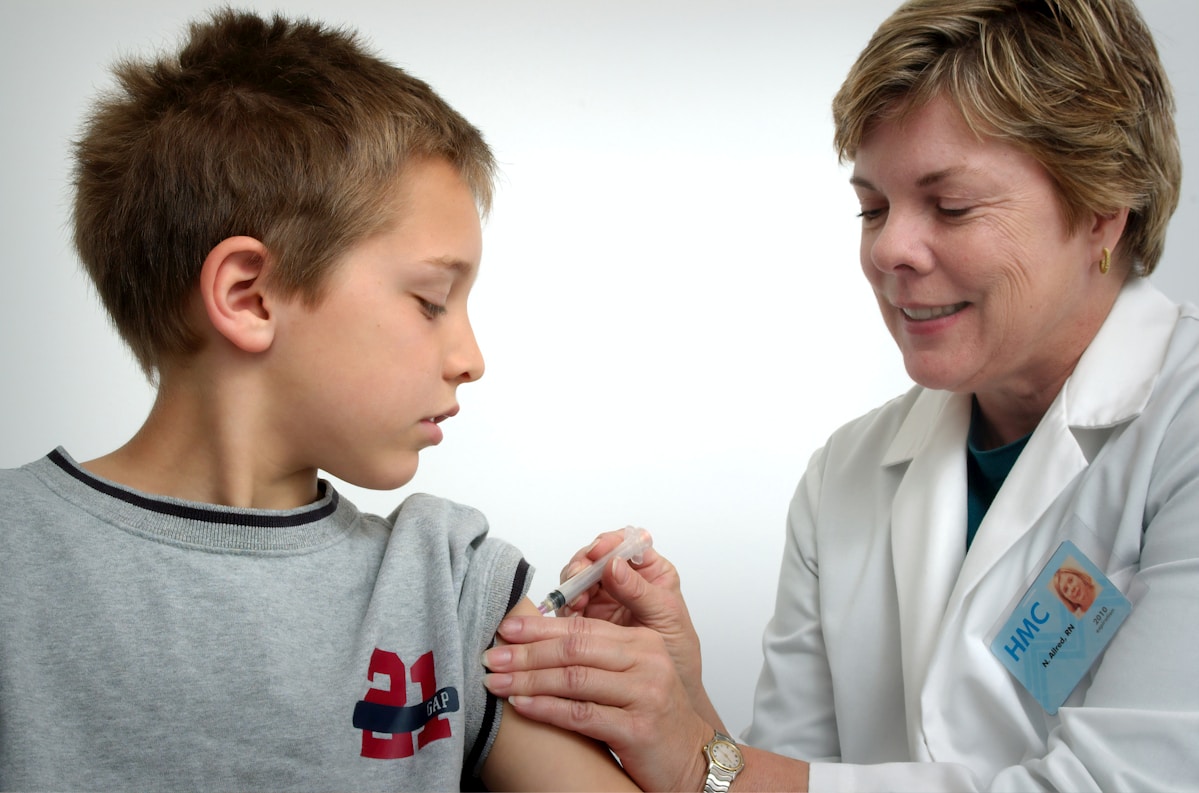
Access to quality healthcare is one of the most fundamental human rights, yet millions of people around the world still struggle to receive the medical attention they need. Quality healthcare goes beyond simply having hospitals or clinics nearby—it involves timely, affordable, and equitable services delivered by trained professionals in safe environments. It means ensuring that every person, regardless of their background, income, or location, can live a healthy life with dignity.
One of the major barriers to quality healthcare is affordability. In many regions, high medical costs prevent people from seeking care until illnesses become severe. Health insurance coverage remains uneven, and out-of-pocket expenses can lead families into financial hardship. Governments and organizations must work toward sustainable healthcare financing systems that protect citizens from these economic burdens while promoting preventive and primary care.
Geographical disparities also play a critical role. Rural communities often face long travel distances, limited infrastructure, and shortages of medical professionals. Strengthening healthcare systems in underserved areas requires investment in mobile health units, telemedicine, and community-based programs that bring services closer to those in need. Technology can bridge many of these gaps by enabling remote consultations, health monitoring, and digital recordkeeping.
Quality healthcare also depends on education and awareness. Patients need to understand their rights, the importance of early detection, and how lifestyle choices affect long-term well-being. Healthcare professionals, in turn, must receive ongoing training to provide compassionate, evidence-based care that respects cultural and social differences.
Ultimately, access to quality healthcare is not just a medical issue—it is a measure of social justice and equality. A healthy population strengthens communities, boosts productivity, and fosters sustainable development. By working together—governments, private sectors, and citizens—we can build health systems that truly leave no one behind.