October 30, 2025
Industrial pipes are the lifelines of the oil and gas ...
When it comes to home construction or renovation, plumbing pipes often go unnoticed — until something goes wrong. The plumbing system is the backbone of every house, supplying water and removing waste efficiently. Choosing the right type of plumbing pipe is essential for durability, safety, and cost-effectiveness. With so many materials available today, from PVC to copper, understanding their uses and benefits can help you make an informed decision for your home.
Plumbing pipes come in various materials, each designed for a specific purpose. Factors like water pressure, temperature, and exposure to chemicals or sunlight determine which type suits your needs best. The wrong choice can lead to leaks, corrosion, and costly repairs over time.
PVC pipes are among the most popular options for home plumbing. They are lightweight, affordable, and resistant to corrosion. Ideal for drain and vent lines, PVC pipes are easy to install and maintain. However, they are not suitable for hot water supply as they can warp at high temperatures.
CPVC pipes are an upgraded version of PVC designed to handle hot water. They are durable, easy to cut, and connect using simple fittings. Perfect for both residential and commercial water systems, CPVC pipes can last up to 50 years with proper maintenance.
Copper pipes have been used for decades due to their reliability and resistance to corrosion. They can withstand high water pressure and temperature, making them ideal for hot and cold water lines. Though slightly expensive, copper pipes add long-term value to your plumbing system and are also recyclable.
PEX pipes are flexible, easy to install, and highly resistant to scale and chlorine. They’re a favorite for modern homes because they can bend around corners without fittings, reducing leak points. PEX is ideal for both hot and cold water lines but should be protected from direct sunlight.
Older homes often have galvanized steel pipes. While durable, they tend to corrode and accumulate rust over time, affecting water quality. Most plumbers recommend replacing them with modern alternatives like PEX or copper.
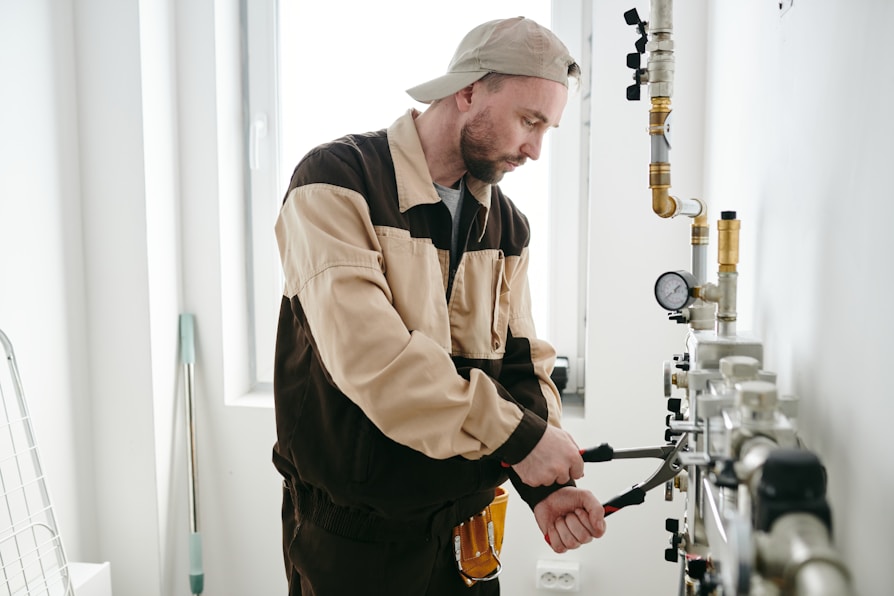
When deciding on plumbing materials, consider factors like:
Even the best pipes need regular checks. Inspect joints for leaks, watch for changes in water pressure, and flush your system to prevent blockages. Replacing old or rusted pipes before major issues arise can save time and money in the long run.