October 30, 2025
Industrial pipes are the lifelines of the oil and gas ...
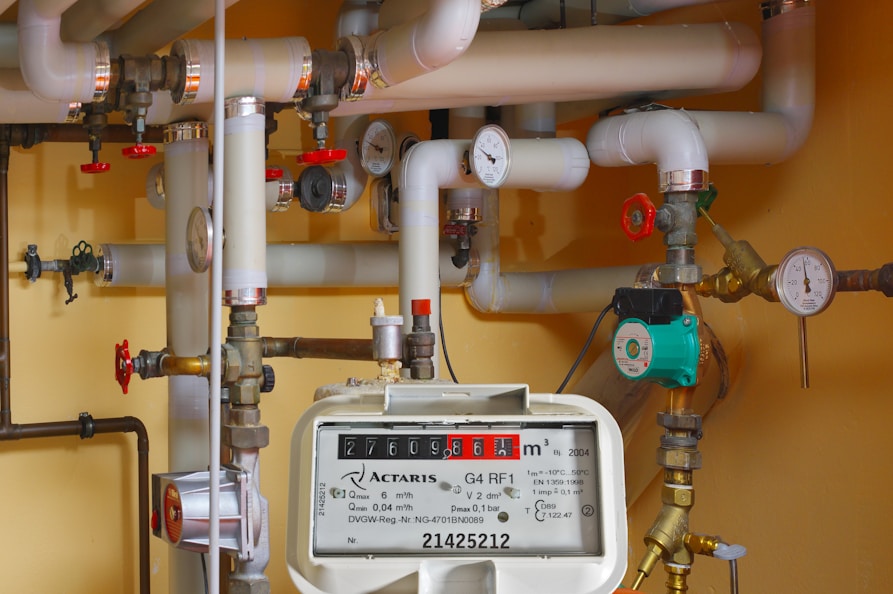
When it comes to home maintenance, one of the most overlooked aspects is plumbing safety. Pipes are the backbone of your home’s water system—delivering clean water and removing waste efficiently. However, if neglected, they can lead to leaks, bursts, and costly water damage. Understanding how protect your pipes is essential to maintaining a safe and functional home.
1. Understand Your Plumbing System
Before you can protect your pipes, you need to understand them. Most homes have two main systems: one that brings in clean water and another that carries away wastewater. Knowing where your main water shut-off valve is located is crucial—it can help you prevent flooding during emergencies.
2. Insulate Your Pipes During Winter
Cold weather is one of the biggest threats to pipes. When temperatures drop below freezing, the water inside pipes can expand and cause them to burst. To avoid this, wrap exposed pipes—especially those in basements, garages, or crawl spaces—with foam insulation. If you live in an area with harsh winters, consider using heat tape for additional protection.
3. Avoid Chemical Drain Cleaners
Clogged drains are common, but chemical drain cleaners can do more harm than good. They may temporarily clear the blockage, but their harsh chemicals can corrode your pipes over time. Instead, use a drain snake, plunger, or natural solutions like baking soda and vinegar to clear blockages safely.
4. Watch What Goes Down the Drain
A major part of pipe safety involves being mindful of what you flush or pour down the drain. Avoid disposing of grease, coffee grounds, hair, and sanitary products in sinks or toilets. Grease solidifies and clogs pipes, while hair and debris can lead to slow drainage and backups. Installing drain strainers can help catch unwanted materials before they cause problems.
5. Regularly Check for Leaks
Even a small leak can turn into a big problem if ignored. Regularly inspect under sinks, around toilets, and near appliances like dishwashers and washing machines. Look for signs of moisture, rust, or discoloration on walls and floors. If you spot a leak, address it immediately to prevent structural damage and mold growth.
6. Maintain Proper Water Pressure
High water pressure may feel great in the shower, but it can strain your pipes and joints, leading to cracks and leaks. The ideal water pressure for most homes is between 40 and 60 psi. You can use a pressure gauge to check this or install a pressure regulator to maintain safe levels.
7. Schedule Routine Professional Inspections
Even if your pipes seem fine, it’s wise to have a professional plumber inspect them once a year. They can identify hidden issues, clean your drains, and recommend preventive measures to keep your plumbing system in top condition.