October 30, 2025
Industrial pipes are the lifelines of the oil and gas ...
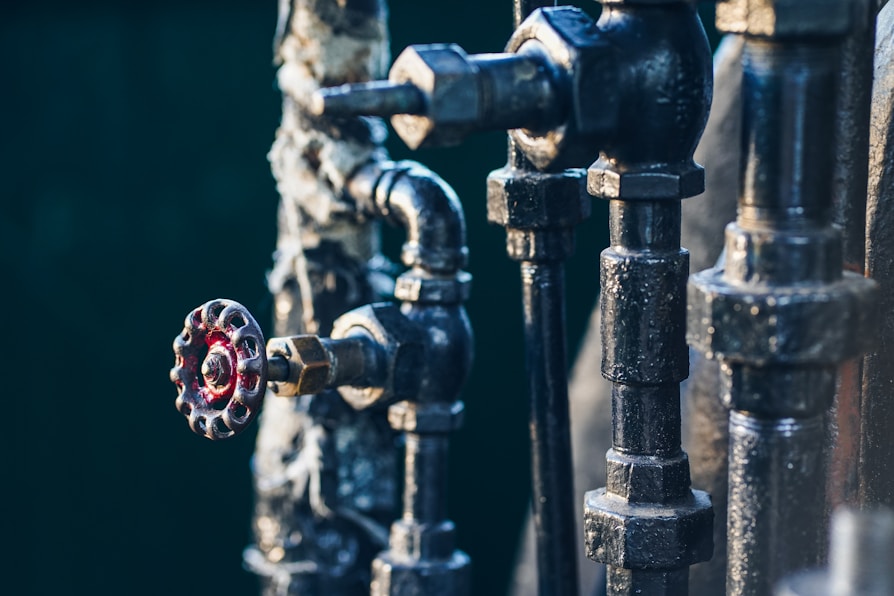
In every industrial setting, piping systems act as the arteries of production — carrying vital fluids, gases, and chemicals across machinery, reactors, and processing units. However, when not managed properly, these networks can lead to costly failures, accidents, and operational downtime. Ensuring safety and efficiency in industrial piping systems is therefore a top priority for plant engineers, maintenance teams, and management alike.
Industrial pipes often operate under extreme conditions — high pressure, temperature fluctuations, and exposure to corrosive substances. A single leak or crack can trigger fires, chemical spills, or production shutdowns. Safety isn’t just about compliance; it’s about protecting people, the environment, and the business. Proper safety measures ensure the entire system performs efficiently with minimal risk.
Routine inspection is the foundation of a safe and reliable piping system. Visual checks can detect surface rust, leaks, or misalignment, but deeper issues require advanced testing methods:
By implementing a structured maintenance schedule, industries can address problems before they become safety hazards.
Material selection plays a vital role in both performance and safety. Using the wrong type of pipe for a specific application can cause premature failures.
Additionally, applying protective coatings and linings can further extend a pipe’s lifespan by reducing oxidation and corrosion.
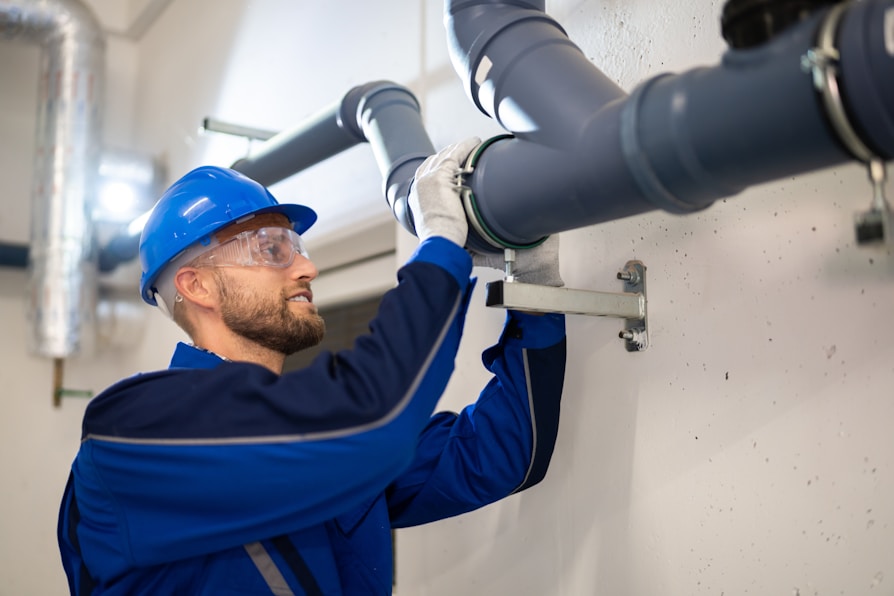
Even the best materials can fail if installation is incorrect. Industrial piping should always be installed according to engineering standards and pressure ratings. Key installation tips include:
Qualified technicians and engineers should handle installation to maintain both safety and efficiency.
Modern industrial plants use IoT-based monitoring systems to track real-time parameters such as pressure, flow rate, and temperature. These sensors can instantly detect anomalies and alert operators to potential leaks or system overloads. Predictive maintenance powered by AI can forecast when a pipe might fail, helping teams plan replacements before breakdowns occur.
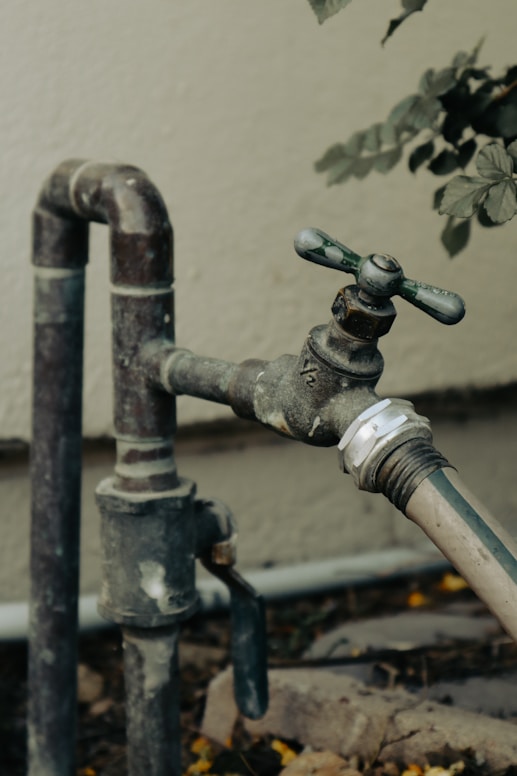
Efficient piping design not only ensures safety but also reduces energy losses. Proper pipe sizing, insulation, and flow control minimize friction and heat loss, leading to significant savings. For example, insulating steam lines can reduce energy waste by up to 20%, while optimizing pump operations can lower electricity costs.
Human error remains one of the main causes of piping accidents. Regular employee training in operational safety, emergency handling, and maintenance procedures ensures preparedness. Following standards like ASME B31.1 (Power Piping) or API 570 (Piping Inspection Code) keeps systems compliant with global safety benchmarks.
Safety and efficiency in industrial piping systems are achieved through a combination of proper design, material selection, regular inspection, and modern monitoring tools. A proactive approach not only prevents costly downtime but also extends equipment life and ensures worker safety. When industries prioritize these aspects, they not only protect their assets but also build a sustainable and reliable operation for the future.