October 30, 2025
Industrial pipes are the lifelines of the oil and gas ...
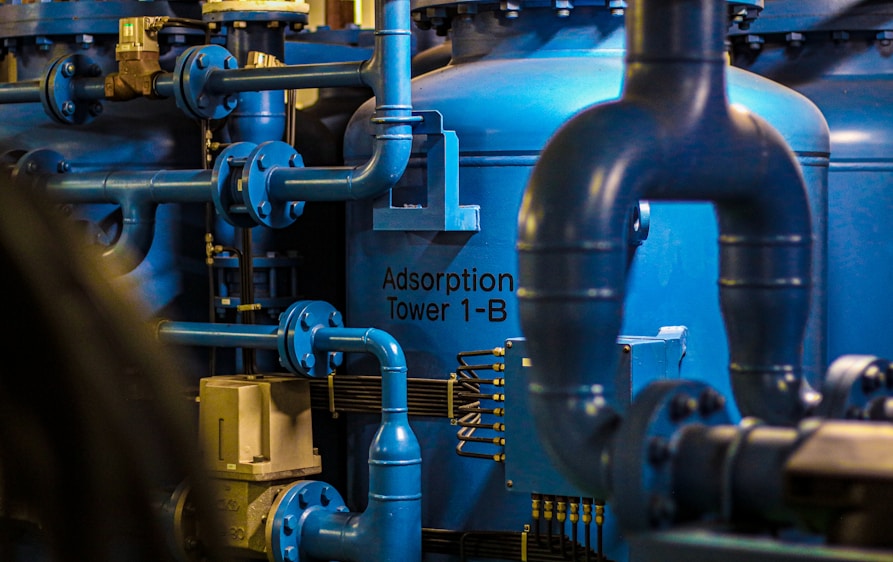
Corrosion is a natural process that occurs when metals react with oxygen, moisture, or chemicals in their environment. This chemical reaction gradually weakens the pipe material, forming rust, pits, or cracks. Common causes include exposure to saltwater, acidic chemicals, high humidity, and temperature fluctuations.
There are several types of corrosion:
Recognizing these forms early is essential to take preventive action before structural failure occurs.
Corrosion may seem minor at first, but its impact can be catastrophic. Studies show that corrosion-related failures cost industries billions annually in repairs, production loss, and environmental cleanup. Beyond economics, pipe leaks can contaminate soil and water, cause fires, and pose severe safety risks to workers. Effective corrosion control isn’t an option — it’s a necessity for safe and efficient operations.
The good news is that modern engineering offers multiple ways to combat corrosion.
Choosing corrosion-resistant materials is the first line of defense. Stainless steel, copper-nickel alloys, and HDPE (High-Density Polyethylene) are preferred for environments exposed to moisture or chemicals. In some cases, composite pipes — made of fiber-reinforced plastics — are used because they don’t rust at all.
Applying anti-corrosion coatings is one of the most cost-effective ways to protect metal pipes. Epoxy, zinc-rich primers, polyurethane, and fusion-bonded epoxy coatings form a barrier that prevents oxygen and moisture from reaching the metal surface. Internal linings, such as cement mortar or plastic layers, further protect pipes that carry corrosive fluids.
Cathodic protection involves introducing a small electric current to the metal pipe, preventing it from corroding. This is particularly effective in underground or underwater pipelines. Two main types exist:
Even the best materials need maintenance. Periodic inspections using ultrasonic thickness testing, radiography, or smart sensors help detect early corrosion signs. Cleaning and flushing pipes remove debris and corrosive agents that accelerate rust formation.
Managing environmental conditions can slow corrosion. For instance, reducing humidity, minimizing chemical exposure, or adding corrosion inhibitors to liquids can prolong pipe life.
The latest innovation in corrosion prevention lies in IoT-based monitoring. Smart sensors can measure temperature, moisture, and chemical exposure in real time. AI-powered predictive analytics then forecast potential corrosion zones, allowing industries to take preventive measures before a breakdown occurs.
Corrosion control is essential for extending the life and performance of industrial piping systems. By combining the right materials, protective coatings, maintenance strategies, and advanced monitoring, industries can minimize downtime, reduce costs, and ensure safety. In a world where every minute of uptime matters, investing in corrosion prevention is not just smart — it’s the key to long-term industrial success.