
October 27, 2025
Hiring a Pro Roofer Saves You Money Long-Term
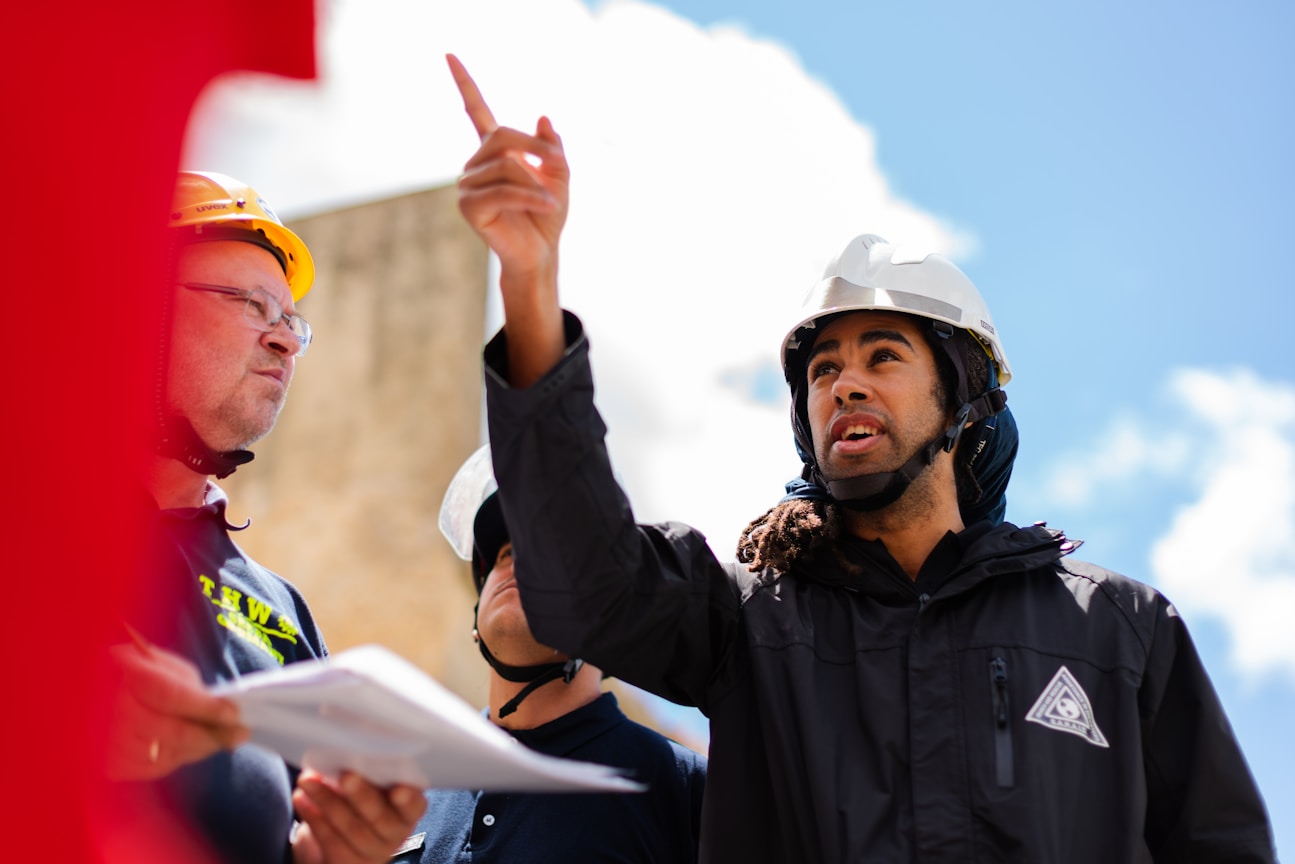
Roof installation is a complex task, and even small mistakes can lead to leaks, structural damage, and costly repairs. Whether hiring a professional or doing it yourself, understanding common errors can save time, money, and headaches. Here’s a detailed guide to the most frequent roofing installation mistakes and how to avoid them.
A strong foundation is essential. Failing to inspect and repair the roof deck before installation can result in weak spots, uneven surfaces, and water damage. Always ensure the deck is clean, dry, and structurally sound before starting.
Shingles that are misaligned or spaced incorrectly can compromise water runoff and cause leaks. Follow manufacturer instructions for proper alignment, spacing, and overlap to ensure a watertight installation.
Flashing around chimneys, vents, and skylights prevents water intrusion. Improper installation is a leading cause of leaks. Ensure flashing is securely fastened, sealed, and integrated with surrounding roofing materials.
The underlayment acts as a secondary barrier against moisture. Skipping it or using too little can allow leaks and water damage. Use the recommended type and layers for your roofing material and climate.
Shingles require the correct number of nails in precise locations. Too few nails allow shingles to lift in wind, while too many or misplaced nails can damage the material and void warranties. Follow manufacturer specifications carefully.
Adequate attic ventilation prevents heat and moisture buildup, which can warp shingles, encourage ice dams, and reduce energy efficiency. Ensure proper intake and exhaust vents are installed according to design requirements.
Each roofing material has specific installation requirements. Ignoring these instructions can void warranties and cause premature failure. Always read and follow manufacturer directions closely.
Laying new shingles over old layers may save time initially but adds weight, hides damage, and reduces lifespan. Removing old materials ensures a stable, long-lasting roof surface.
Valleys and ridges are high-risk areas for leaks. Improper installation can lead to water pooling and damage. Reinforce and seal these sections carefully, following best practices for material overlap.
Even a minor error can compromise the roof. A professional inspection after installation ensures everything is correctly installed and identifies potential issues early, protecting your investment.
Conclusion
Avoiding common roofing installation mistakes is essential for a durable, watertight roof. Careful preparation, strict adherence to manufacturer guidelines, and attention to detail during installation prevent leaks, structural damage, and costly repairs. Whether doing it yourself or hiring a professional, vigilance and precision are key to long-term roof performance.