
How to Maintain, Fix, and Improve Your Home Like a Pro
Home repair doesn’t have to be overwhelming. Whether you’re a new homeowner or someone loo...
November 18, 2025
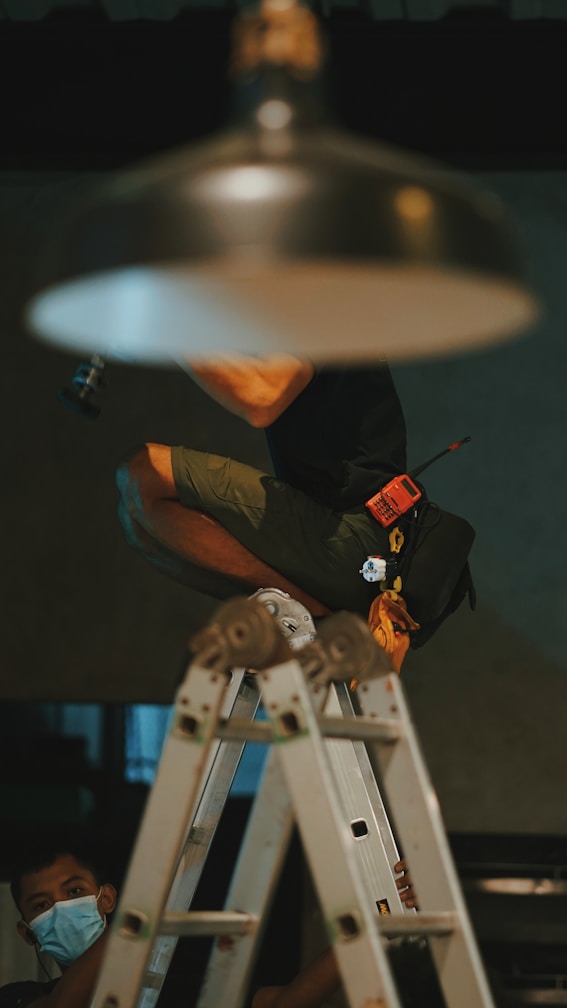
Safety and security are fundamental concerns for residents in any neighborhood, apartment, or housing community. Implementing basic protection measures can prevent accidents, reduce risks, and ensure peace of mind for you and your family. This guide outlines key steps residents should take to enhance personal safety, home security, and overall preparedness.
High-quality locks are the first line of defense against unauthorized entry. Ensure all exterior doors have strong deadbolts, and consider reinforced door frames. For apartments, verify that entry doors and windows are secure and in good condition.
Modern security systems, including motion sensors, door/window alarms, and smart cameras, provide real-time monitoring and deterrence. Choose a system that suits your budget and home layout. Even visible cameras alone can discourage intruders.
Lighting around entrances, walkways, and parking areas reduces opportunities for break-ins and accidents. Motion-activated lights or timers ensure that areas are illuminated when needed, even if residents are away.
Personal safety isn’t just physical. Avoid sharing sensitive information online, secure Wi-Fi networks, and be cautious about letting strangers know your schedule. Offline, always verify the identity of service personnel and delivery workers before granting access.
Emergencies like fires, floods, or medical incidents require preparedness. Residents should have escape routes, a designated meeting spot, and access to emergency supplies including first aid kits, flashlights, and bottled water.
Store important documents, jewelry, and cash in a safe or lockbox. For residents in shared housing, avoid leaving valuable items in plain sight. Secure storage reduces the risk of theft and damage.
Do not let unknown individuals into your building or apartment. Use peepholes, intercom systems, or video doorbells to verify visitors. Always escort guests and report suspicious activity to property management or local authorities.
Smoke detectors, fire extinguishers, and carbon monoxide detectors are essential. Test devices regularly and ensure they are installed according to local safety codes. Educate all household members about evacuation procedures.
Sliding doors and windows are often vulnerable points. Use locks, security bars, or anti-lift devices to prevent forced entry. Closing blinds or curtains at night can also protect privacy.
Engage with neighbors and participate in community watch programs. Knowing who belongs in the area and staying alert to unusual behavior helps prevent crime and creates a supportive, vigilant community.
Resident protection is a combination of smart planning, daily habits, and effective security measures. By reinforcing physical security, maintaining vigilance, and preparing for emergencies, residents can significantly reduce risks and create a safe, comfortable living environment. Simple steps, when practiced consistently, provide long-term peace of mind for everyone in the household.