
Winter Home Maintenance Recommendations
Winter weather can be harsh on your home, leading to potential damage and costly repairs i...
November 17, 2025
Home repair doesn’t have to be overwhelming. Whether you’re a new homeowner or someone looking to save money on professional services, understanding basic home repairs can make your life easier, your space safer, and your property more valuable. This guide breaks down essential repairs, tools, and techniques every homeowner should know.
Before diving into repairs, it’s essential to understand the systems within your home—plumbing, electrical, HVAC, roofing, and structural elements. Knowing how these systems work helps you identify issues early and communicate effectively with professionals when necessary. A general awareness also prevents costly mistakes when attempting DIY repairs.
A well-stocked toolbox is crucial for successful home repair work. Must-have tools include a hammer, screwdrivers, a cordless drill, a utility knife, an adjustable wrench, pliers, and a tape measure. For larger projects, having a stud finder, level, shop vacuum, and ladder improves accuracy and safety. Quality tools often last a lifetime, making them a smart investment.
Plumbing issues such as leaky faucets, running toilets, and clogged drains are among the most common home complaints. Learning how to replace a faucet washer, unclog a drain with a plunger or snake, and adjust toilet components can save hundreds of dollars annually. Understanding where your home’s main water shutoff valve is located is critical during emergencies.
While some electrical work should only be done by licensed electricians, homeowners can handle simple repairs like replacing light switches, outlets, and installing fixtures. Always turn off the power at the breaker before working with electrical components. Learning how to identify tripped breakers or reset GFCI outlets can also prevent unnecessary service calls.
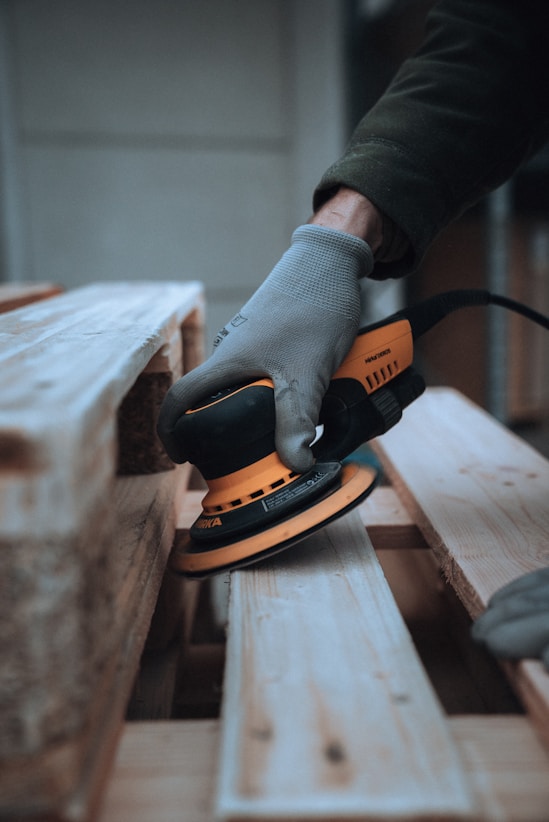
Walls often take the most wear and tear in a home. Small nail holes can be fixed with spackle, while larger damage may require drywall patches. Cracks in plaster or paint can indicate foundation settlement or temperature fluctuation. Knowing how to sand, prime, and paint patched areas ensures seamless repairs.
Water damage is one of the costliest home repair issues. Keeping gutters clean and properly sloped prevents leaks and foundation issues. Inspect your roof annually for missing shingles, soft spots, or flashing problems. Small repairs, like replacing a damaged shingle or sealing a leak, can be done DIY, but extensive damage should be handled by professionals.
Floors endure constant foot traffic, so wear is inevitable. Hardwood flooring may need refinishing or repair for scratches, while tile floors can require grout replacement or cracked tile fixes. Laminate flooring is more forgiving but can swell when exposed to moisture. Regular cleaning and prompt repairs extend your flooring’s lifespan significantly.
Sticking doors, drafty windows, and damaged screens can reduce energy efficiency and comfort. Applying lubricant to hinges, adjusting strike plates, and replacing weatherstripping are simple fixes. For windows, re-caulking gaps and repairing screens can improve insulation. Well-maintained windows and doors also enhance home security.
A fresh coat of paint is one of the easiest ways to transform a room. Proper surface preparation—cleaning, sanding, priming—ensures durable results. Choosing the right paint finish (matte, satin, glossy) affects both appearance and maintenance. Exterior painting requires more prep work due to weather exposure but adds significant curb appeal.
While DIY home repair can save money, some jobs require expertise. Structural issues, major plumbing repairs, roofing overhauls, and anything involving complex electrical work should be left to licensed professionals. Knowing when to call for help prevents accidents and protects your home’s value.